For half a century, these halls were full of noise. Sulzer began building weaving machines in Zuchwil in 1950. By 1991, some 2,400 people worked here – the largest private employer in the Solothurn region, and the place where many young people learned their trade.
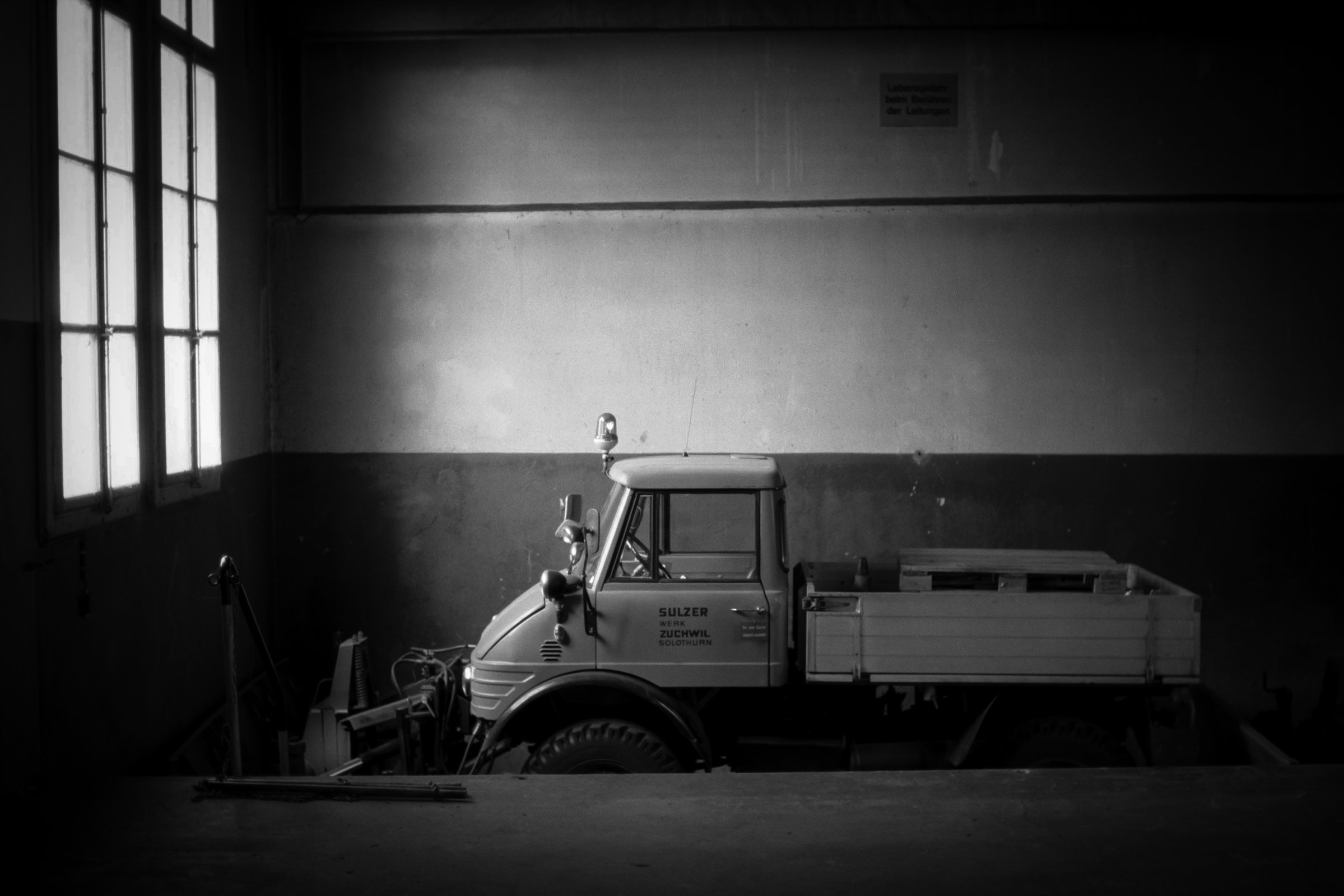
Sulzer Textil Zuchwil, 2000
When I took these photographs in 2000, the noise was already fading. A Unimog used during the winter stood in an empty hall, the company name still on its door, as if someone might come back for it. A warning sign on the wall still cautioned against touching the cables.
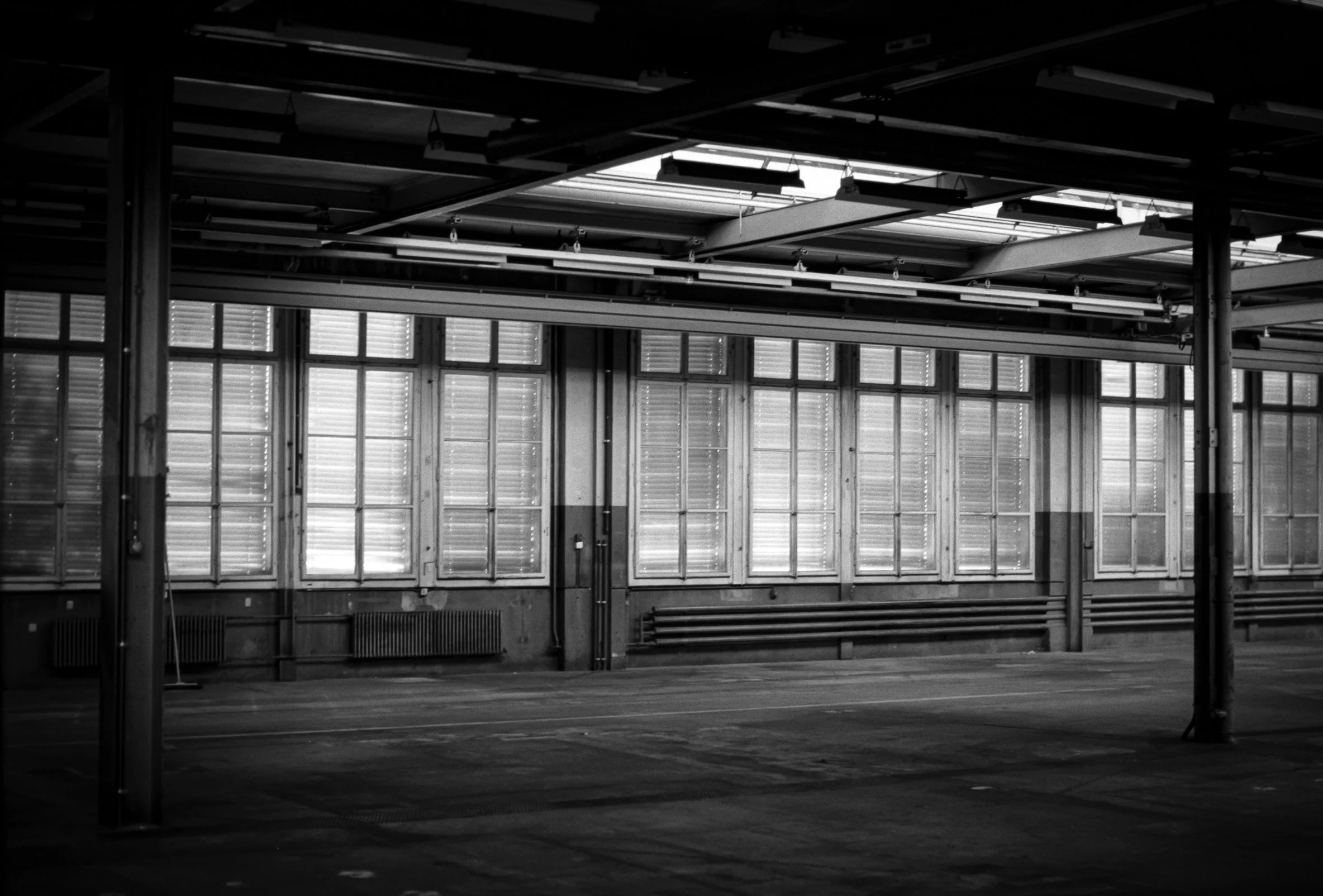
Sulzer Textil Zuchwil, 2000
There are no people in these pictures. That is the point. A factory is not its buildings. It is the people who worked in them – and what they leave behind: a sign, a worn floor, rails that lead nowhere.
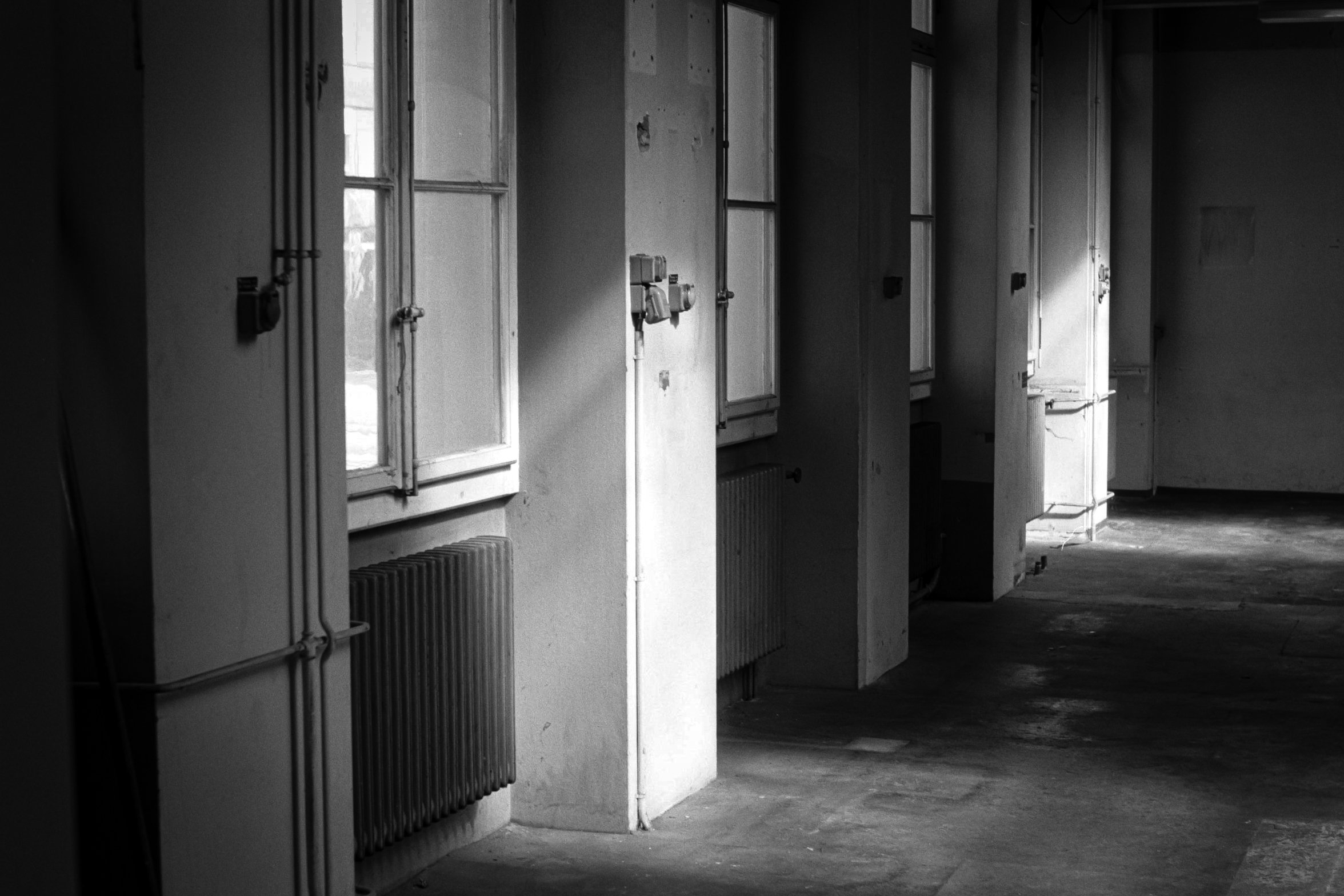
Sulzer Textil Zuchwil, 2000
The Sulzer Textil weaving machinery business was later sold to an Italian group and carried on under the name Itema. In 2025 the company announced it would close the Zuchwil site, and production moved to Italy. The land itself has a new name – Riverside – and is slowly becoming a neighbourhood of homes and offices along the Aare.
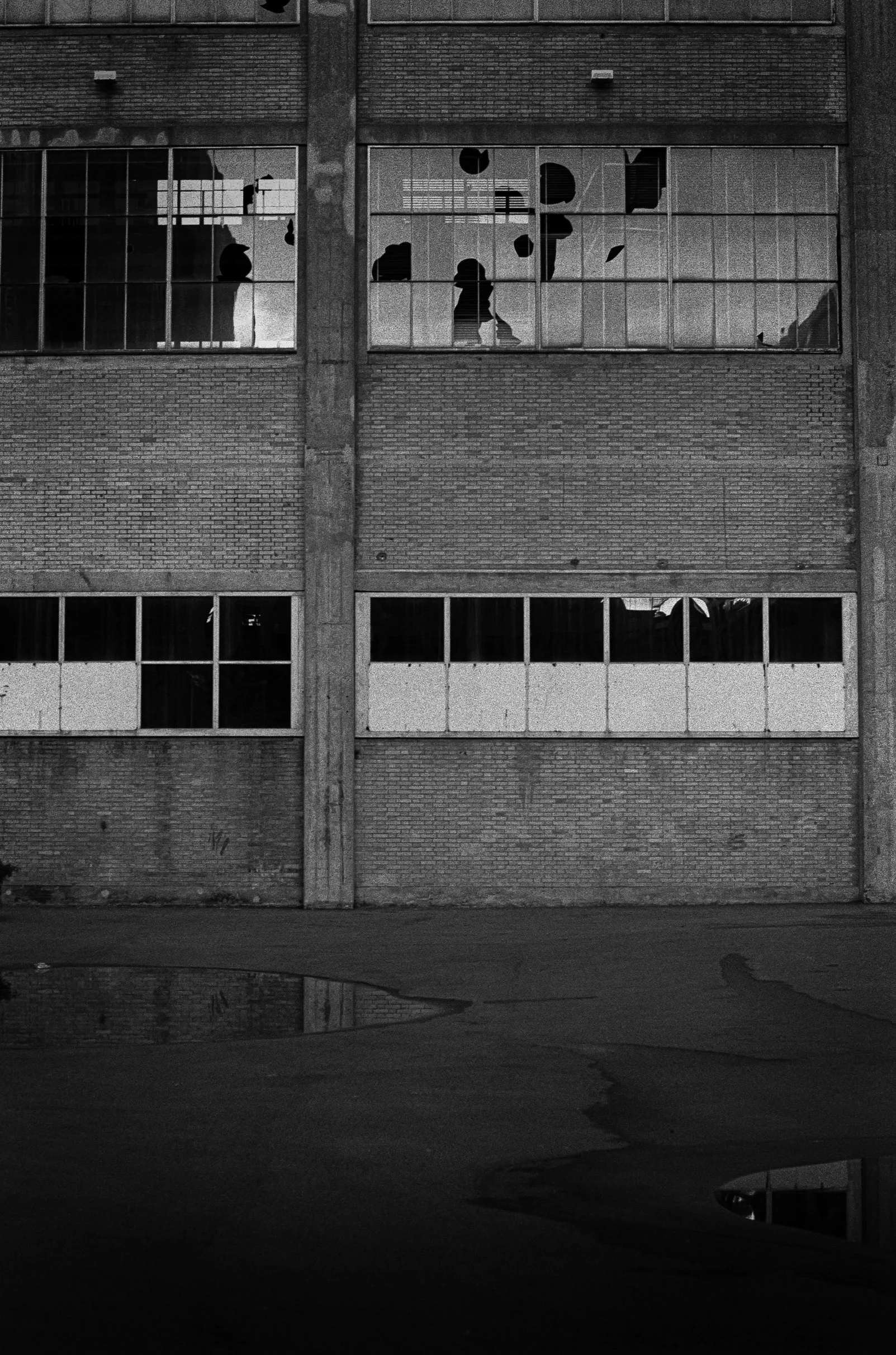
Sulzer Winterthur, abandoned SLM locomotive factory, 2000
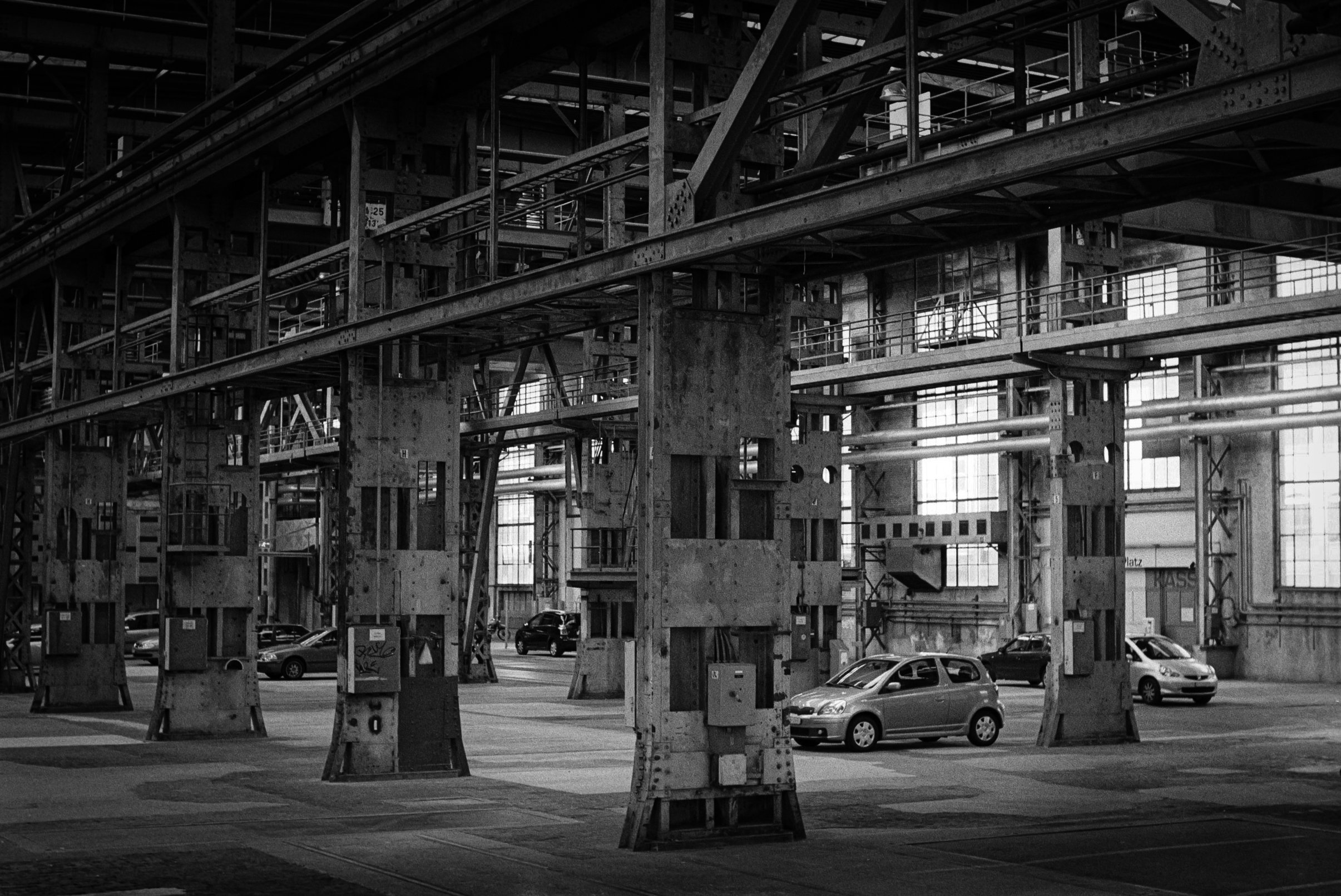
Sulzer Winterthur, abandoned SLM locomotive factory, 2000
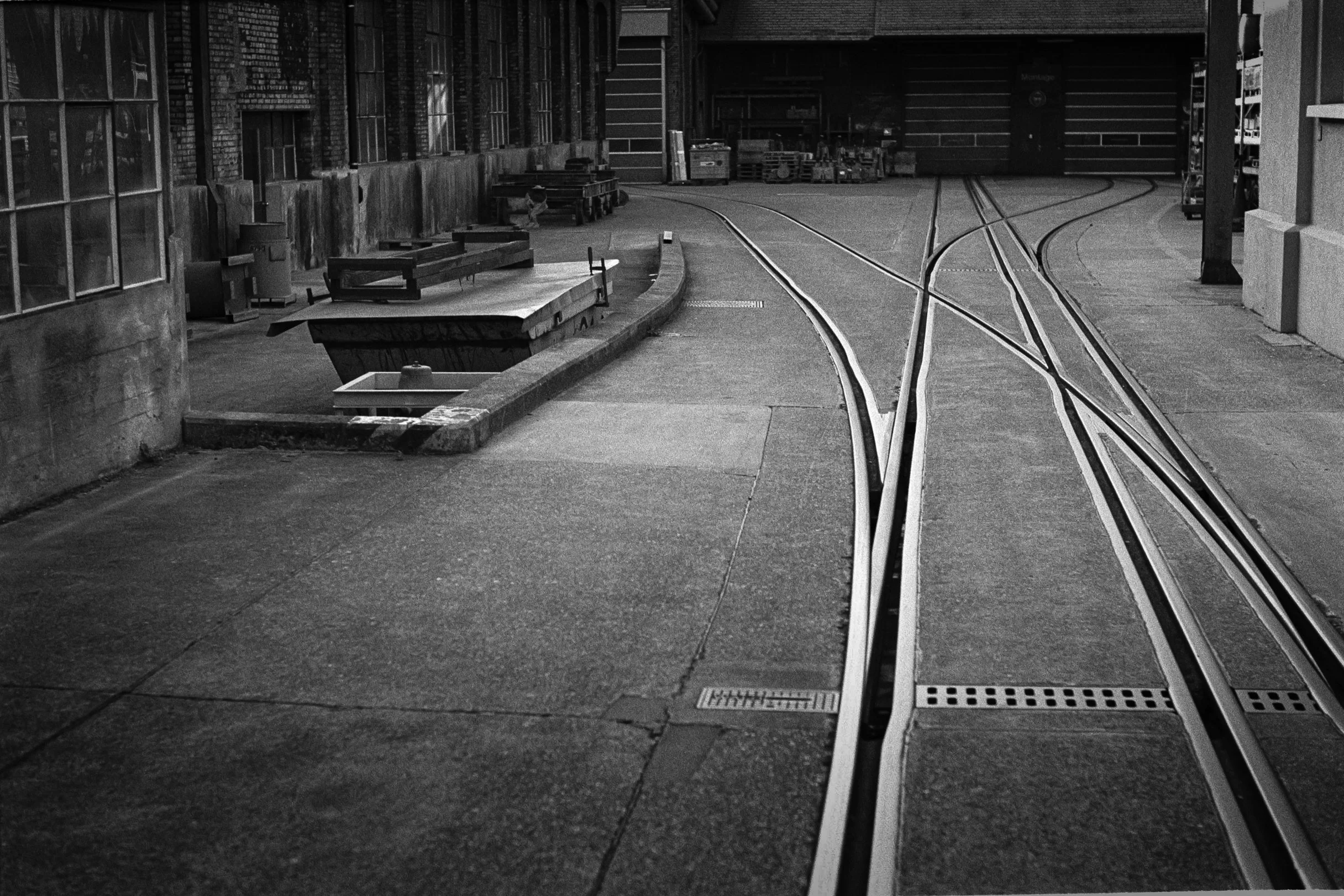
Sulzer Winterthur, abandoned SLM locomotive factory, 2000
In Switzerland, old factories disappear and new ones are built elsewhere. Between the two lie the stories of the people who worked there. Some of them I have yet to find.