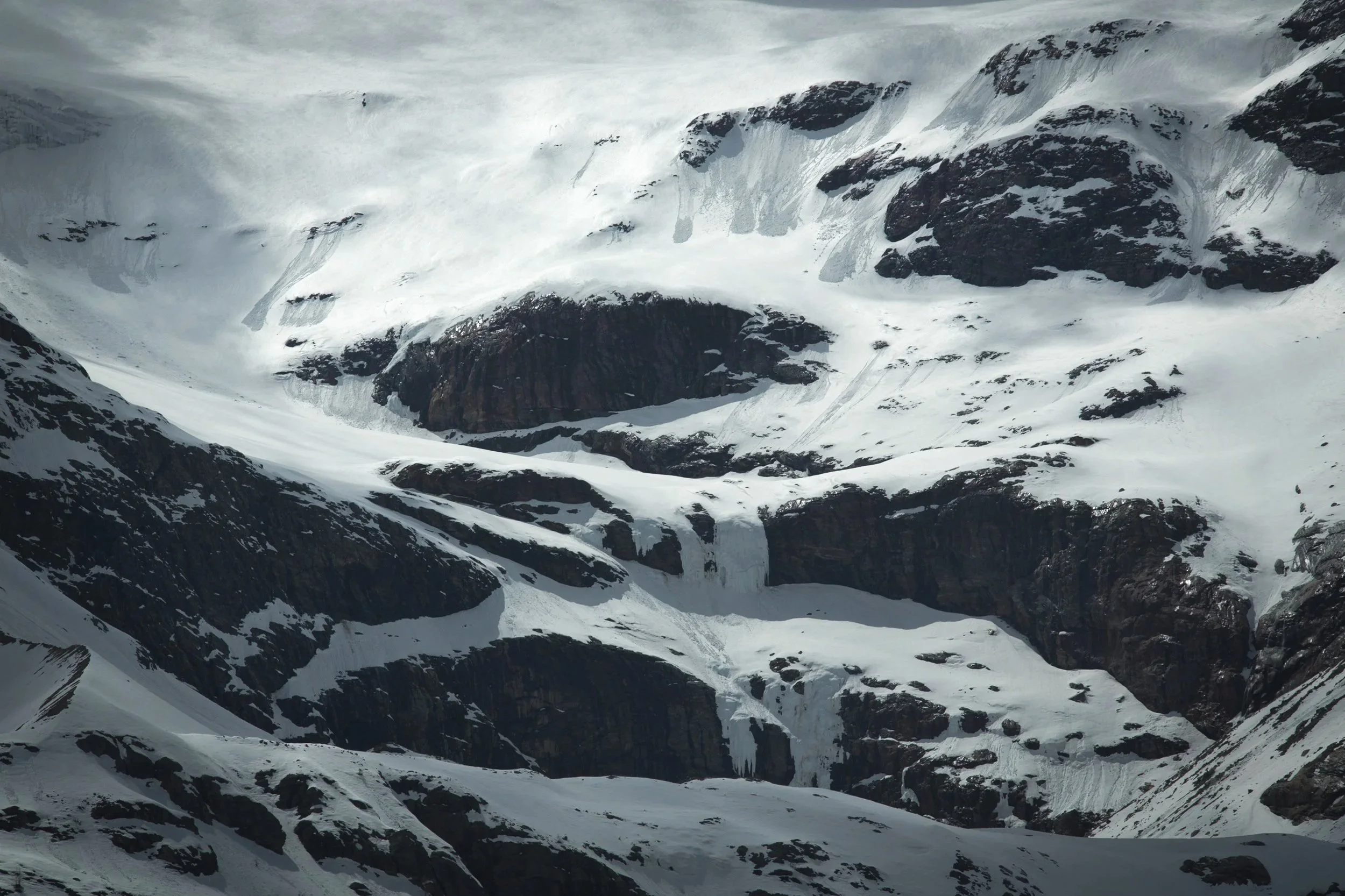
The Face of vanishing glaciers: Switzerland and New Zealand (a work in progress)
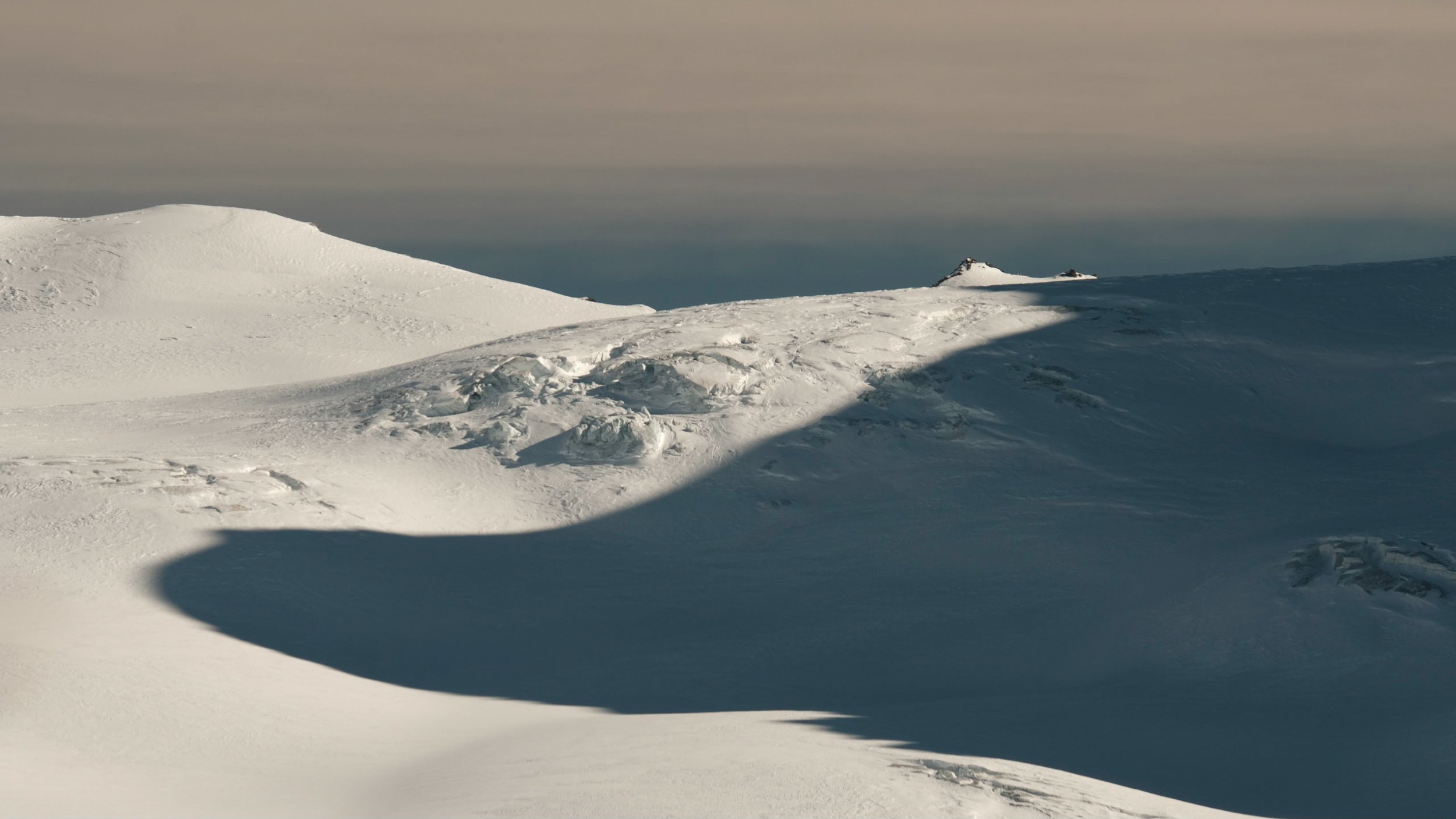
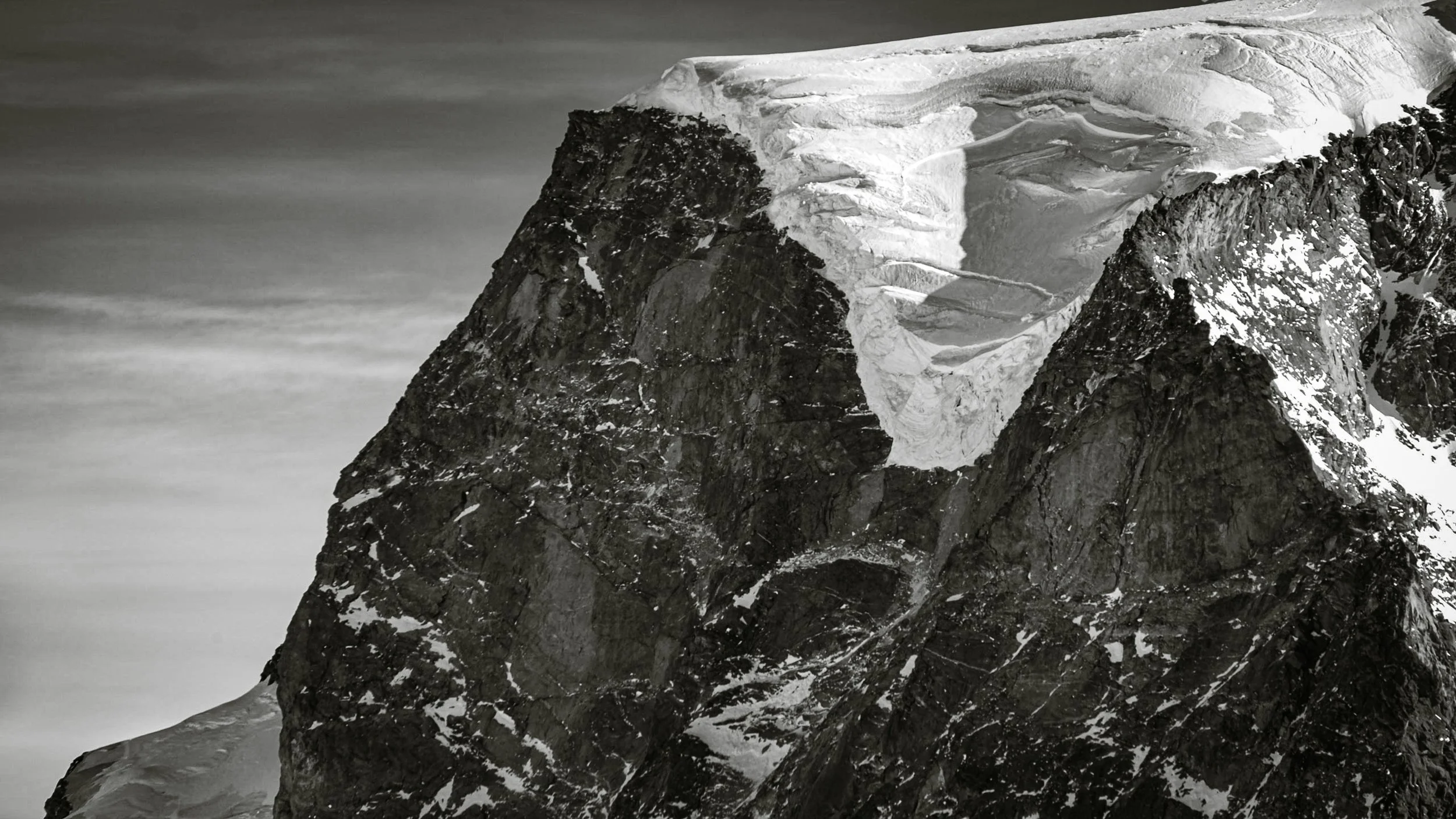
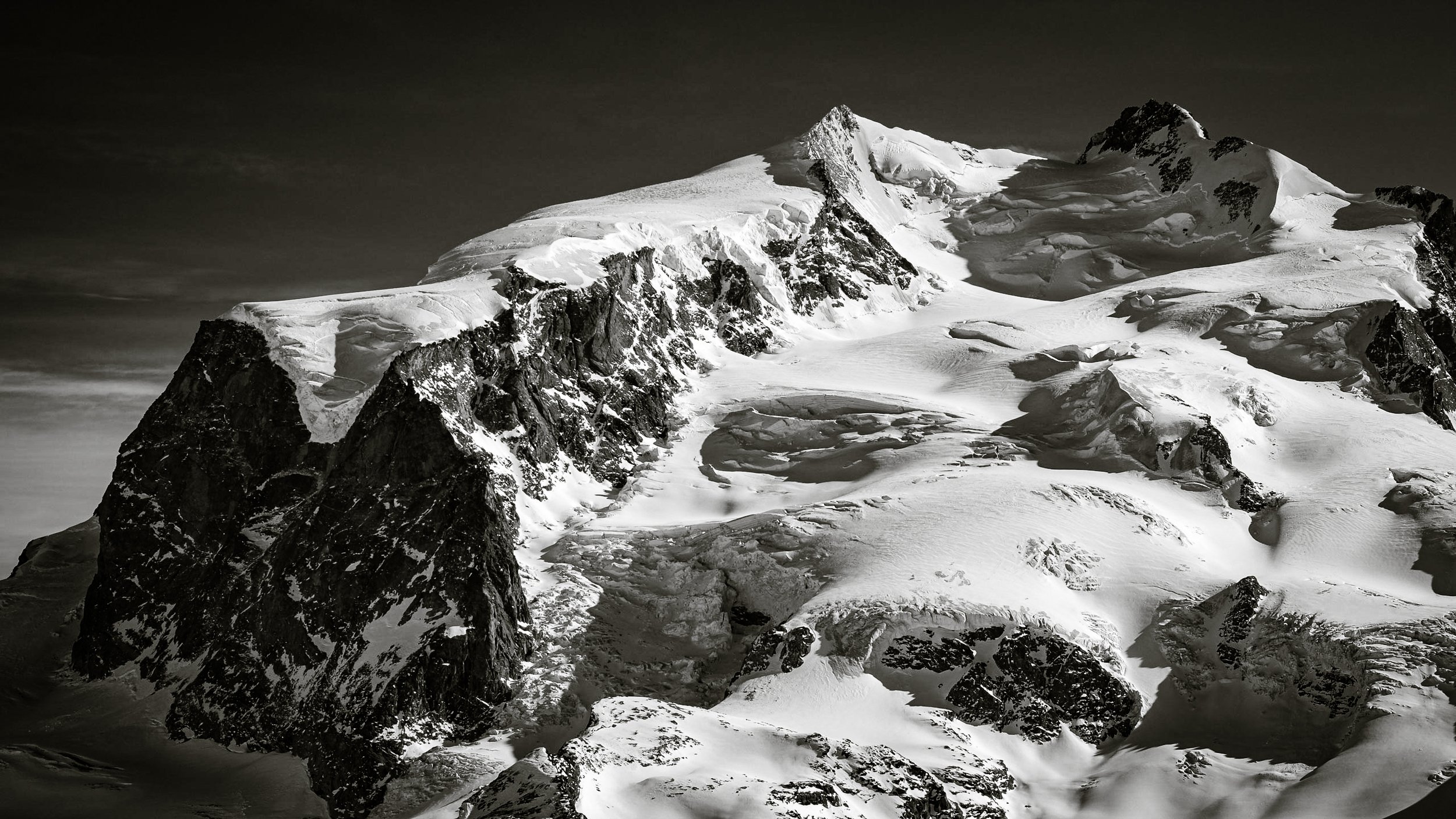
Glaciers disappear slowly, almost silently. Photograph only the ice, and you show ice. I want to show (work in pogress) the people who live alongside it. In Switzerland, glaciers have lost a quarter of their volume in just ten years, and more than a thousand have vanished completely since the 1970s. The summer of 2026 alone took around five and a half percent of what was left.
On the other side of the world, the Southern Alps of New Zealand tell the same story. Scientists have photographed their glaciers from the air at the end of every summer since 1977. In almost fifty years, the trend has not reversed. Behind these numbers are people.
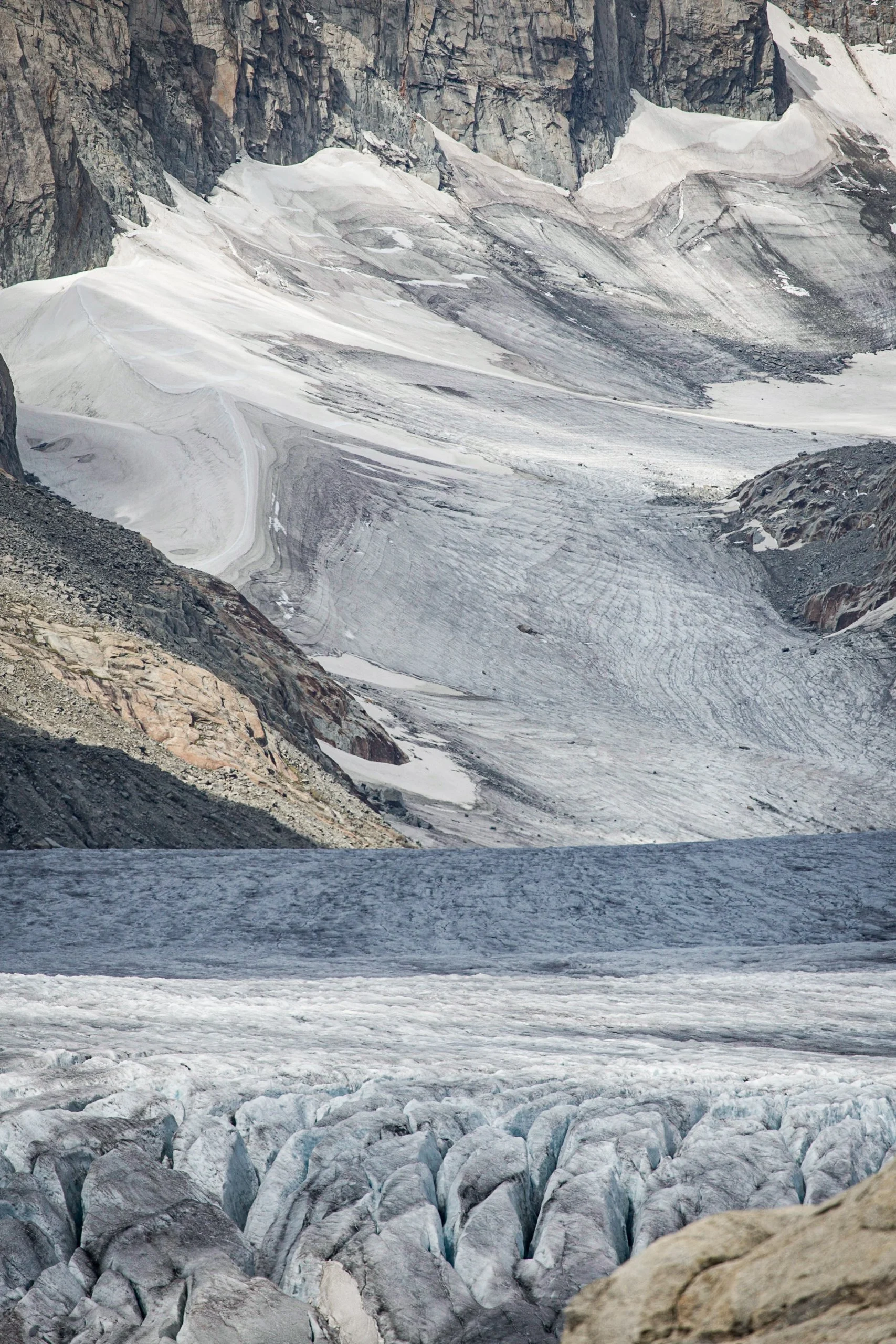
At the Rhône Glacier, one family has carved an ice grotto into the glacier every summer for generations, and covered the ice with white fleece to slow the melt. Whether the grotto will open again is uncertain. In the Lötschental, the village of Blatten was almost entirely buried in May 2025, when the Birch Glacier collapsed under the weight of falling rock. Its three hundred inhabitants lost their homes – and decided to rebuild.
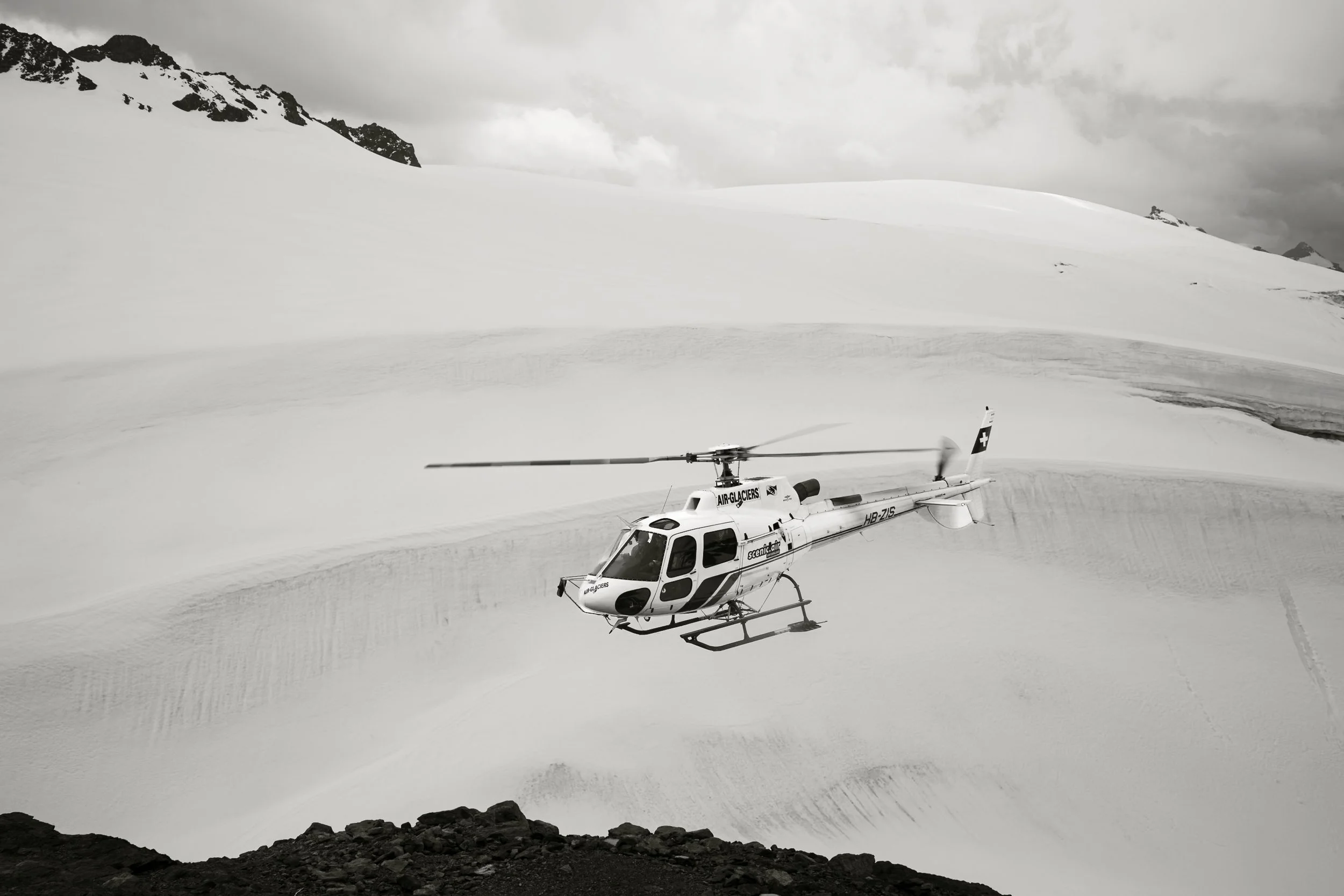
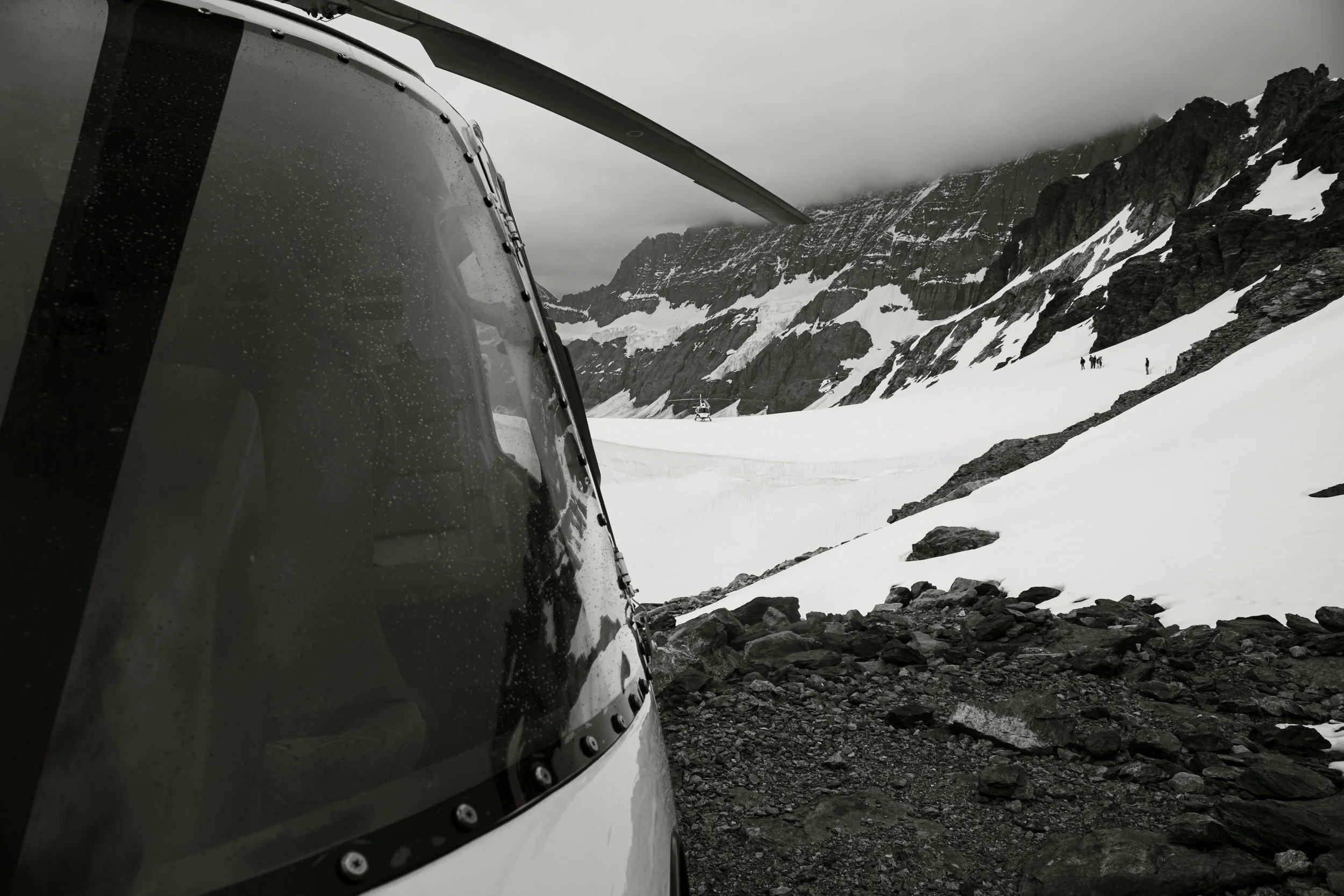
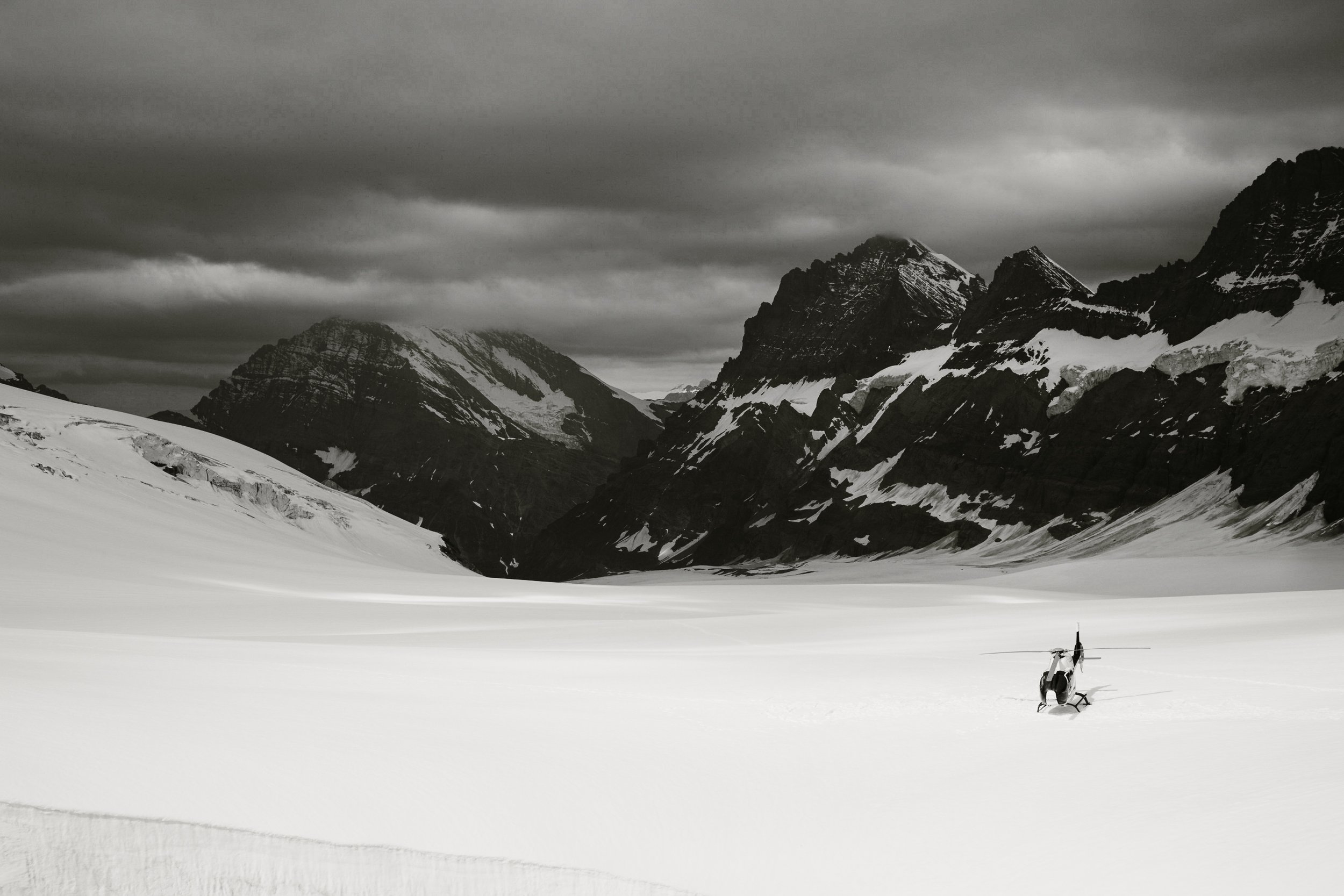
On New Zealand’s West Coast, Kā Roimata o Hine Hukatere – “the tears of Hine Hukatere”, better known as Franz Josef Glacier – has retreated so far that visitors can only reach the ice by helicopter. The people who guide them there continue a long tradition of Kāi Tahu families leading travellers across this ice.
In 2026 and 2027, I will travel to both countries to meet them: the scientists who measure the ice, the guides who walk on it, the families who have lived beside it for generations – and those who are learning to live without it. This is not a story about ice. It is a story about what people lose when the ice goes, and what they hold on to.